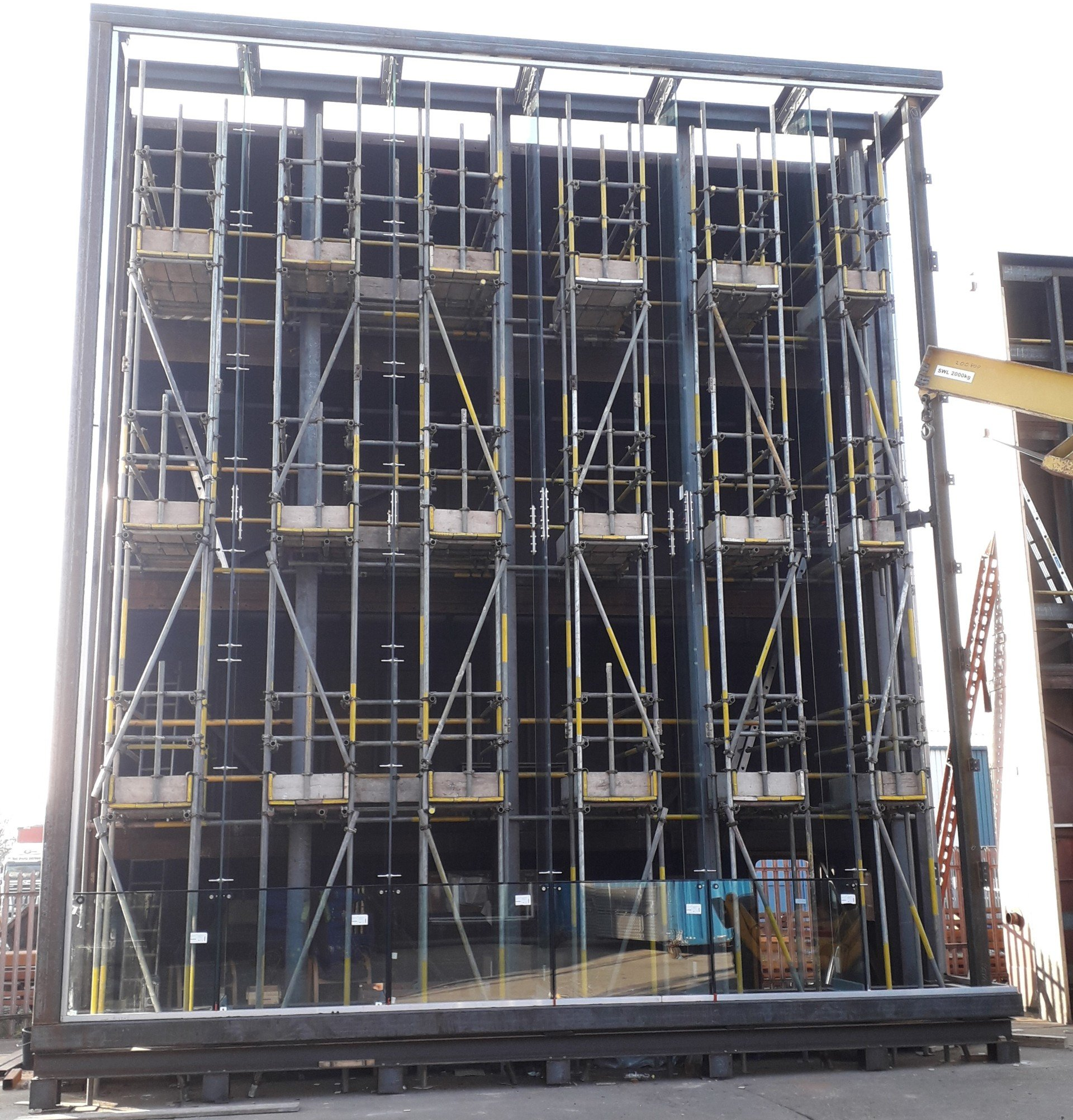
A Scaffold Evolution: Innovations in Commercial Construction
In the dynamic world of commercial construction, support structures plays a pivotal part in guaranteeing effectiveness and safety on job sites. As Commercial Scaffolding In Sandwich grow in sophistication and scale, the value of strong scaffolding systems becomes more apparent. This article explores the multiple dimensions of business scaffolding, from its value in enabling work processes to its vital function in enhancing occupational safety.
Comprehending what business scaffolding involves is the initial measure toward appreciating its importance. It functions as a temporary structure that enables workers to access different heights safely and safely, making it essential for both new projects and upgrades. With multiple types of scaffolding on the market, including modular scaffolds to traditional tube-and-clamp scaffolding, choosing the appropriate approach can greatly impact the outcome of a project. Join us as we explore further into the scaffold revolution, discovering new developments that are changing the field of industrial construction.
Comprehending Commercial Structures
Industrial platforms has a vital function in the erection sector, serving as a temporary scaffold that allows workers to get to elevated areas safely and efficiently. This type of structure is essential for different construction projects, from tall buildings to commercial refurbishments, as it backs both the workforce and materials required to finish tasks at height. With a variety of configurations and systems available, commercial scaffolding can be customized to meet the distinct needs of any project, ensuring that safety and accessibility are prioritized.
There are several types of scaffolding utilized in business construction, each created for varied purposes and job requirements. Common types include tube & clamp structures, modular platforms, and system scaffolding, every offering unique benefits. For example, prefabricated structures is frequently favored for its simplicity of assembly and flexibility, while tube and clamp scaffolding provides a more flexible solution for complex structures. Grasping these choices is essential for construction managers and project managers in determining the optimal scaffolding for their particular needs.
Protection is a paramount concern when it comes to industrial scaffolding. Proper utilization and maintenance of scaffolding can substantially enhance worksite safety by providing reliable platforms for workers and avoiding falls and accidents. It is important for teams to be well-trained in scaffolding safety protocols and to perform regular safety inspections. In addition to following Occupational Safety and Health Administration regulations, companies should prioritize ongoing education and adherence to safety standards to lessen common scaffolding hazards and guarantee a safe work environment.
Safety and Regulations in Scaffolding
Guaranteeing protection and compliance in scaffold systems is paramount for safeguarding workers and minimizing job risks. Commercial scaffolding is bound to rigorous regulations set forth by organizations such as the Occupational Safety and Health Administration. These guidelines dictate everything from design and weight limits to assembly and disassembly procedures. Following to these regulations is not only a legal requirement but also a critical aspect of responsible project management. A solid understanding of compliance factors helps avoid accidents and promotes a culture of well-being on the worksite.
Training is a critical component of scaffolding safety and compliance. All employee must be trained on the proper use of scaffolding techniques and the potential hazards they may encounter. Regular training sessions should cover OSHA standards, safe practices, and crisis procedures. Providing the workforce with knowledge ensures that everyone involved understands their responsibilities and recognizes the significance of adhering to safety measures to reduce risks effectively.
Conducting comprehensive safety inspections before and during the use of scaffold systems is essential for compliance. Regular assessments should include inspections for stability, equipment damage, and external factors that could affect stability. By identifying and addressing these issues proactively, project managers can significantly reduce the likelihood of accidents. A proactive approach to safety checks not just complies with regulatory standards but also encourages a more secure working environment for all personnel in the job.
Scaffolding Solutions for Different Projects
Industrial scaffolding plays a crucial role in a variety of projects, adjusting to the specific needs of every undertaking. For example, multi-story buildings typically demand specialized scaffolding systems that can reach significant heights while maintaining stability and safety. These systems are developed with features that meet the complexities of urban building, allowing crews to operate effectively at high levels without sacrificing security standards. The versatility of scaffolding systems enables construction teams to navigate the obstacles of crowded environments while maintaining efficiency.
In furthermore to tall construction, scaffolding solutions are essential for remodeling in business buildings. During these undertakings, it is critical to confirm that the scaffolding can bear both the weight of workers and equipment while offering safe access to different areas of the building. Tailored scaffolding configurations can be crafted to fit various design formats, enabling contractors to manage difficult renovations that typically face particular obstacles. This flexibility enhances project timelines and encourages a smoother workflow.
Furthermore, large spaces such as arenas and educational institutions pose their own scaffolding difficulties. These projects often require robust systems that not only support construction but also accommodate large crowds during activities. Scaffolding must be engineered to support increased weights while ensuring the protection of both workers and the general populace. By employing advanced scaffolding solutions, contractors can create safe working environments that efficiently support the unique needs of major projects, ultimately leading to the successful completion of critical community development.